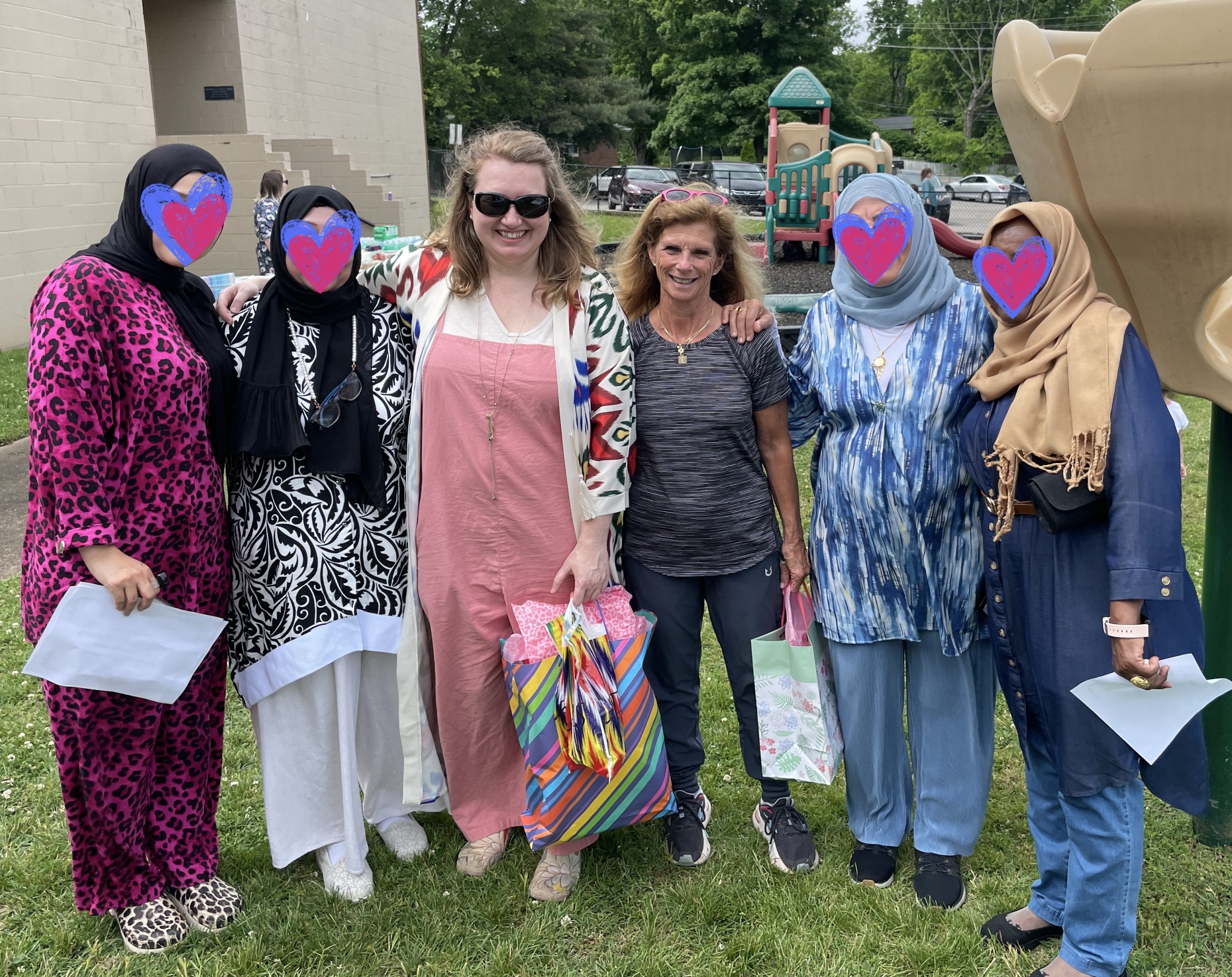
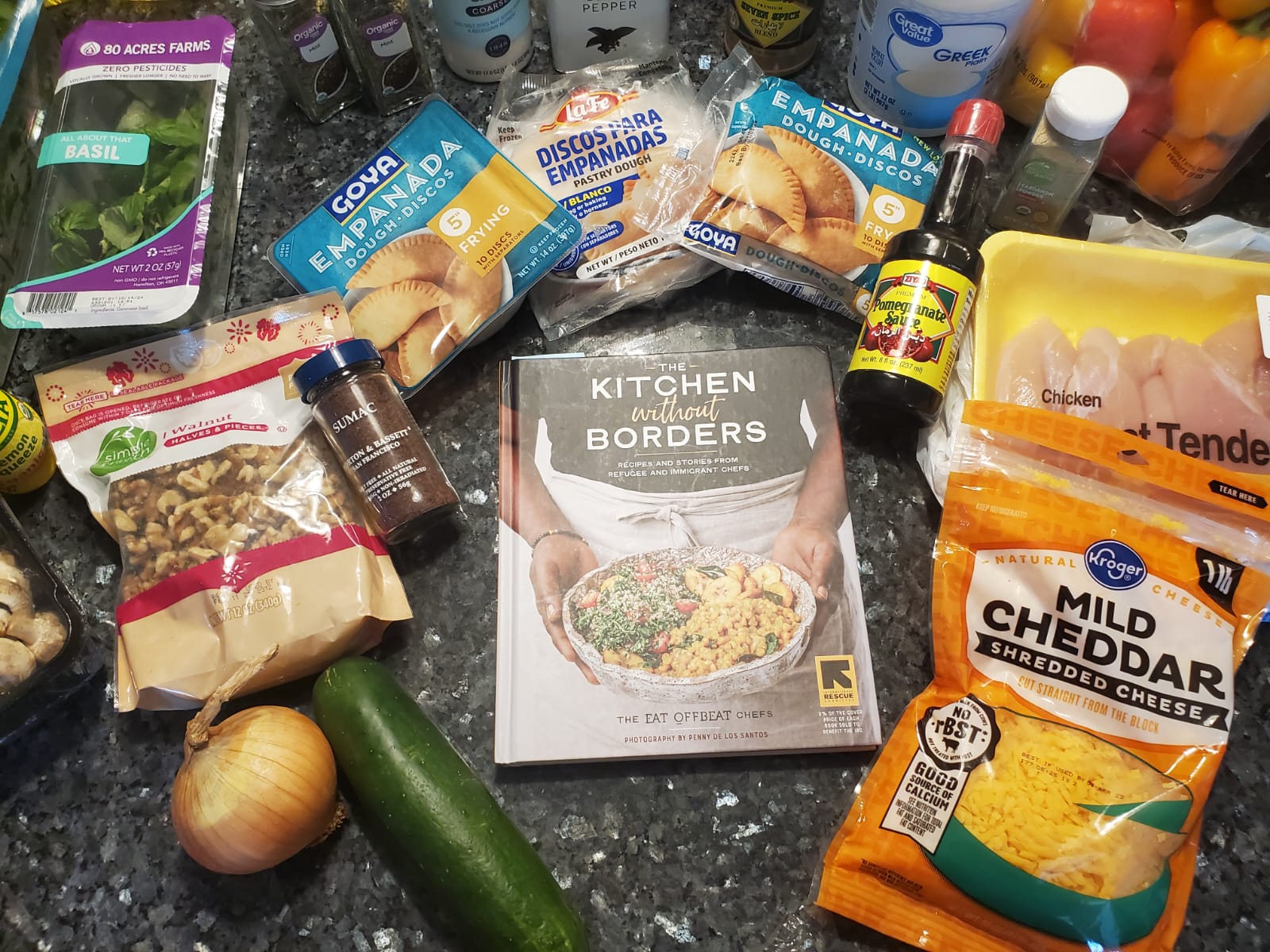
Equipped with The Kitchen without Borders: Recipes and Stories from Refugee and Immigrant Chefs, I was tasked with creating two to three dishes from different places. Over the next three posts, I explore what it was like to find the ingredients, make the dishes, and experience the reactions toward the food as well as the process of it all. I hope you enjoy and maybe are inspired yourself to try something new.
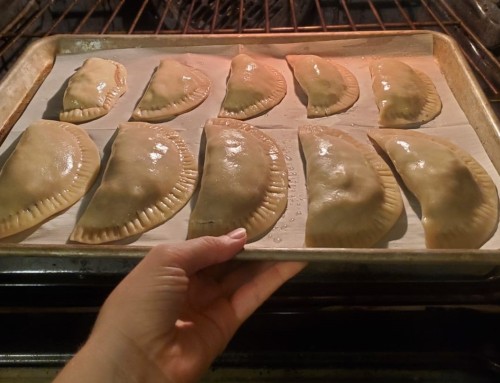
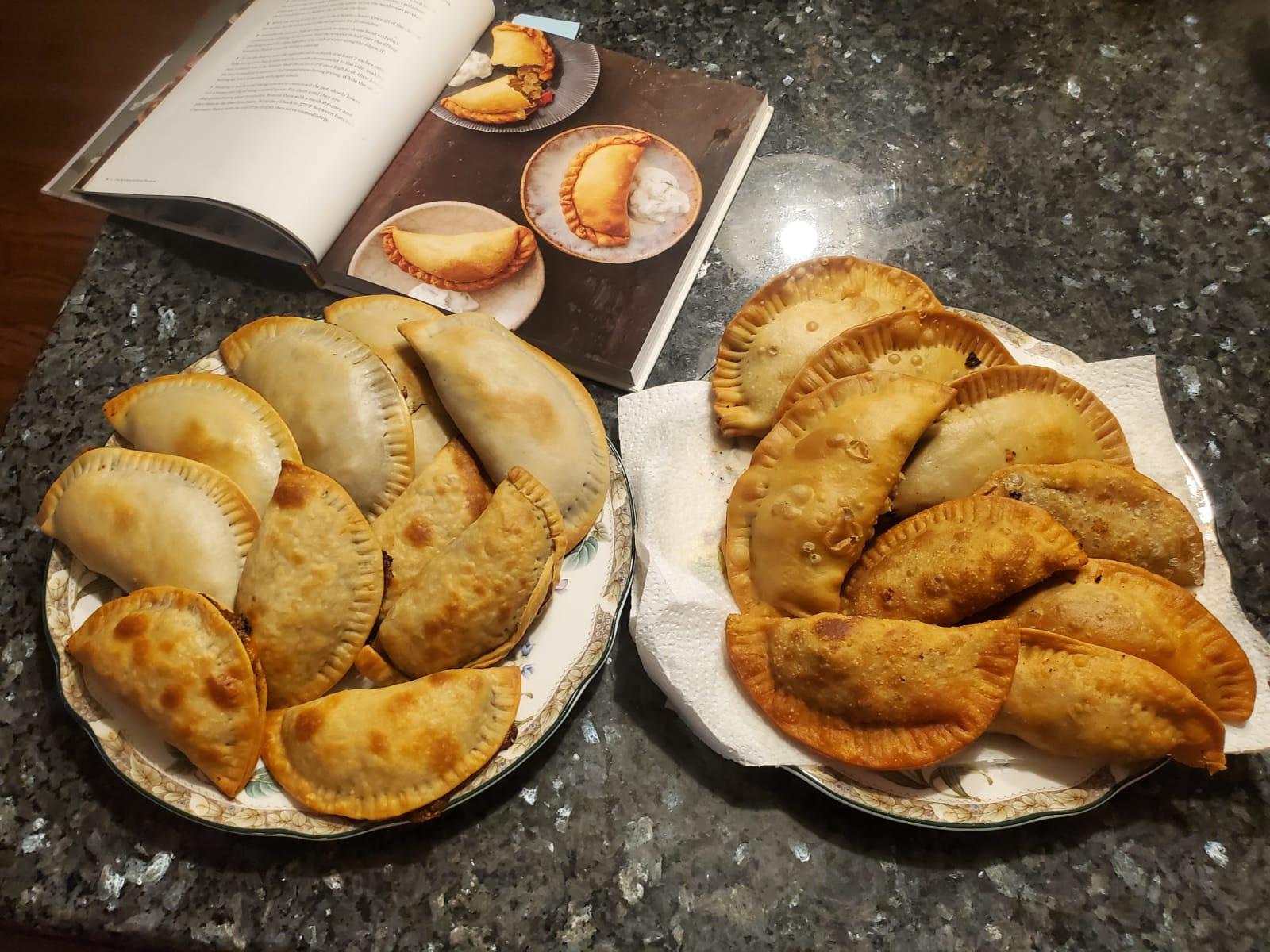
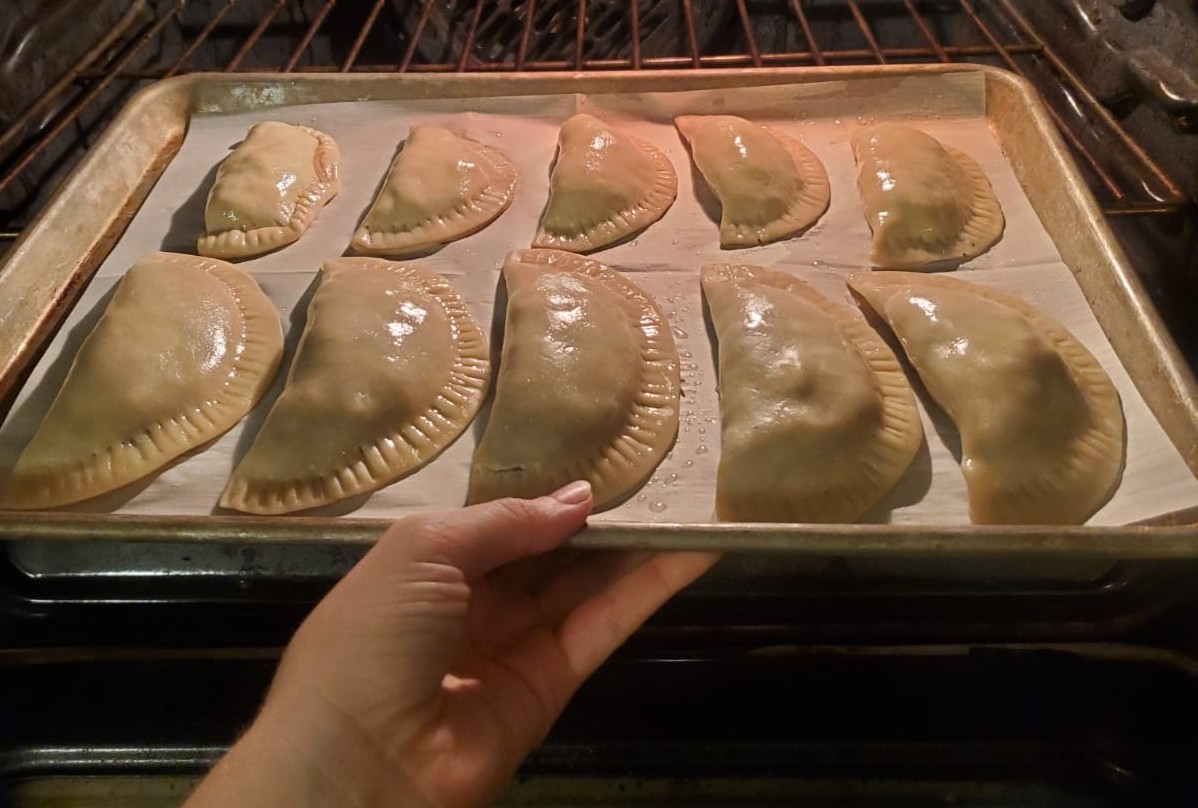
 I decided to make dishes from various places in the Middle East that contained aspects my parents were familiar with while trying something new. For my dad, I chose the fatayer (pronounced to me like “fe-tire”). Fatayers are essentially crusts that can be stuffed with different combinations of meat, spices, and vegetables. Chef Dhuha, who shared this recipe, included a lot of cheddar cheese (one of my dad’s favorite foods) as well as famous Middle Eastern seasonings like Lebanese seven spices and pomegranate molasses.
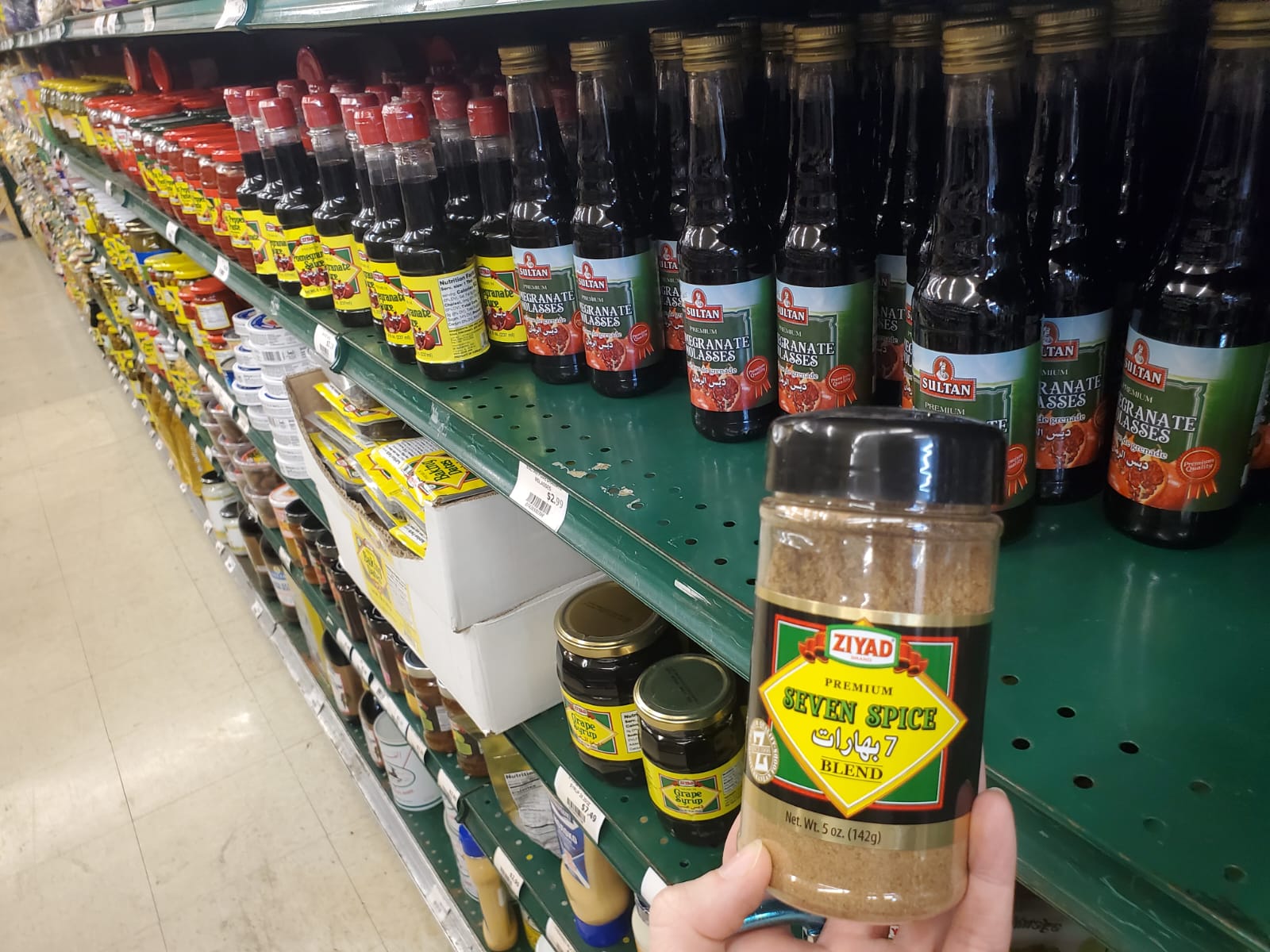
I was curious to see how many of the international ingredients I needed were stocked at my regular store. Even though I knew the store, I had to look hard to find the items that I was not used to getting. After wandering around in search for ingredients for quite some time, I still could not find the specific spice or pomegranate molasses. It is funny how unless you go looking for something unfamiliar, chances are you will not stumble across it. On that note, I would highly recommend the seven spices and pomegranate molasses as since cooking with them, I still find myself reaching them because of their great taste!
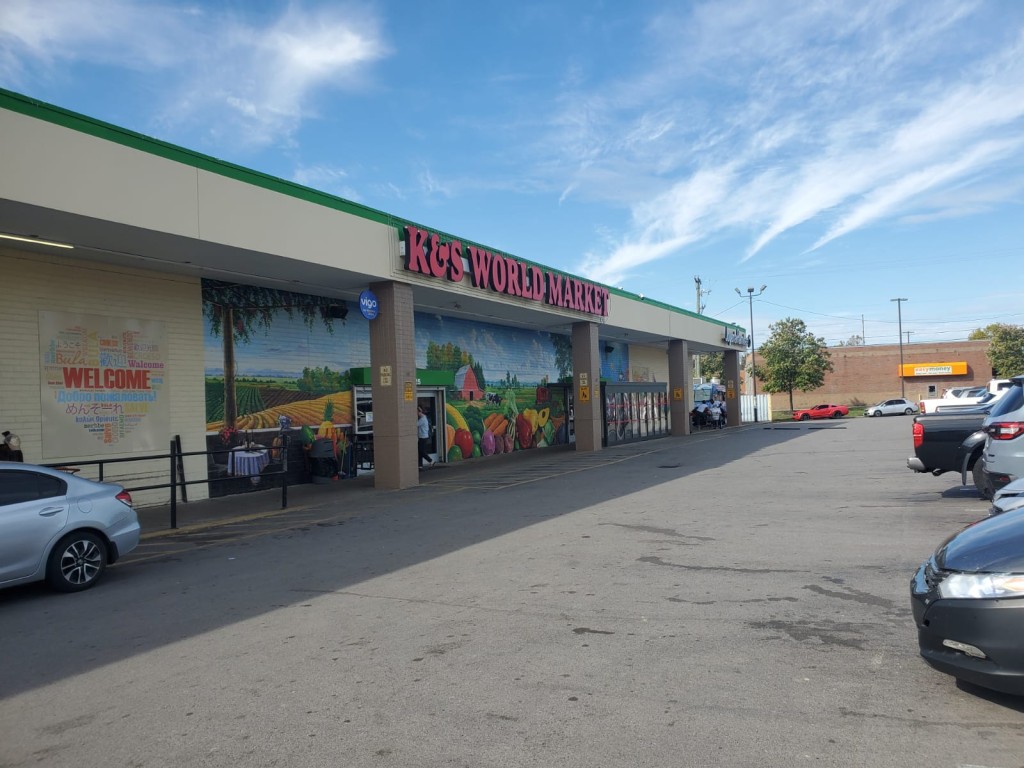 My assistant chef, Google, informed me they, along with the dough discs needed, could not be found on my side of town, so we had to go to the K&S World Market. The K&S World Market has a whole different feel than my local Kroger. There are spices and snacks from around the world; each section focuses on foods from a different place and the customers often reflect that too. The first time I went to K&S, I found it daunting to go with such unfamiliar food and language. However, time and time again it has provided delicious food, so it is worth a visit! The people are sweet too. I enjoyed hearing one customer gently chuckle to herself as I attempted to say “Excuse me,” in Spanish when I walked by. I was also grateful for the workers who showed me exactly where the empanada discs were.
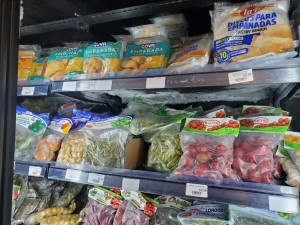 “But, wait! Why empanada wrappers? Are you not trying to make fatayers?” Good observation. A fun fact about all humans: we like to put fillings of different kinds in bread. So fatayers to the Middle East might be considered calzones to the Italians, hand pies in England, dumplings in East Asia, or empanadas to the Spanish, Portuguese, and Latin Americans. In fact, Argentina officially classifies a fatayer as a type of empanada. Thus, for fatayers, empanada discs will do the trick.
In the end, it was both energy and time-consuming to find all the ingredients. Still, it was worth it, not just for the end product of food or cooking, but process is also fun. Walking through the unfamiliar (even if it is simply different aisles of new stores) builds both humility and creates laughter.
Next up, we will put the ingredients to good use in the kitchen as we cook!