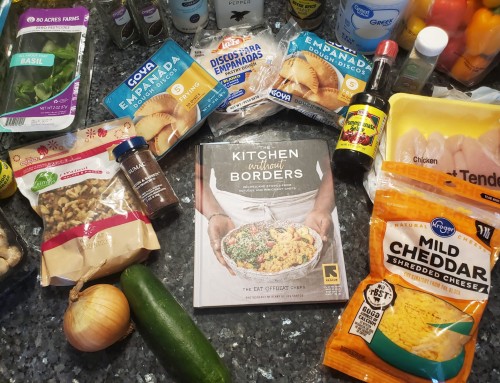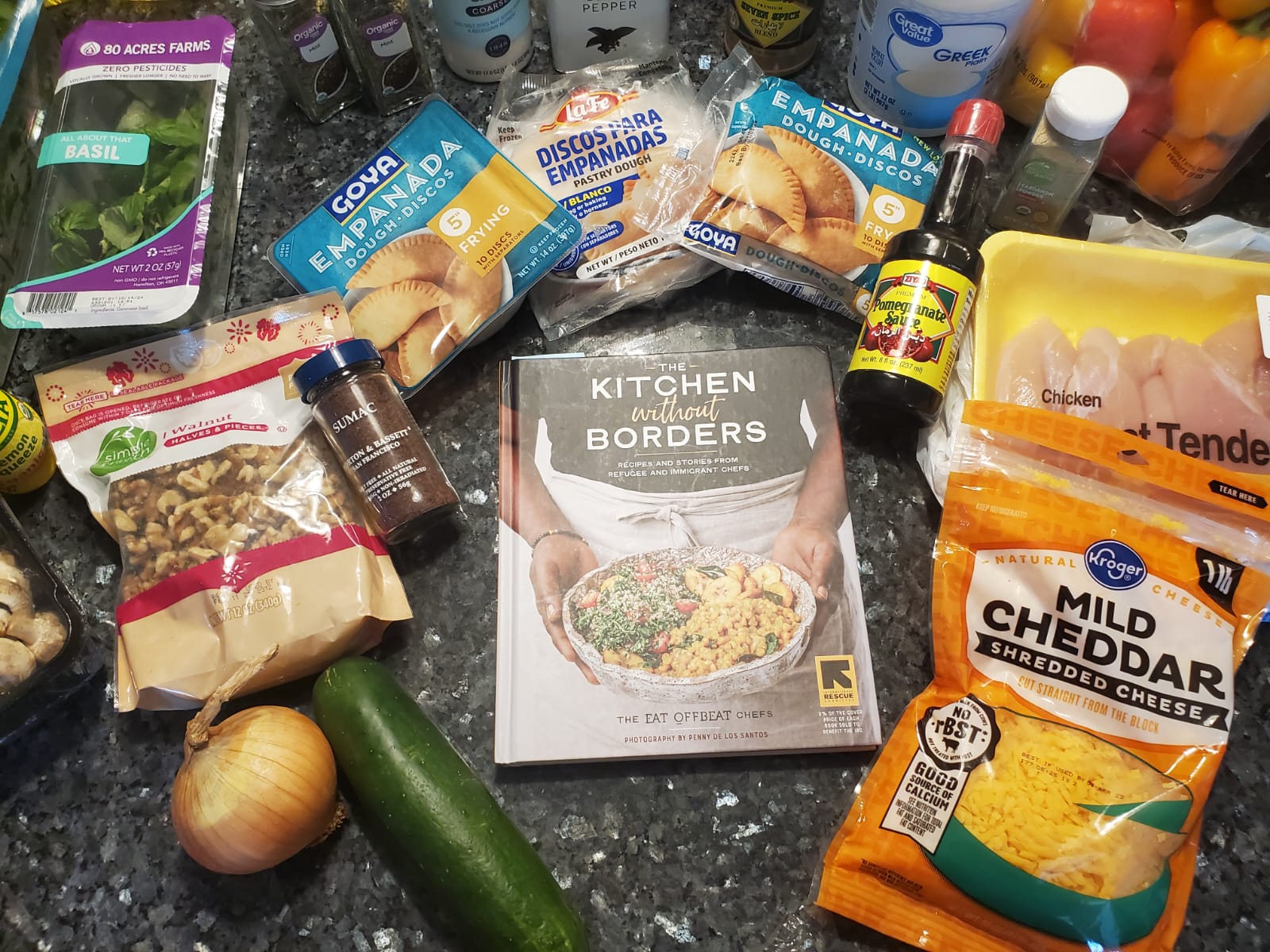
The biographies of the chefs in The Kitchen without Borders: Recipes and Stories from Refugee and Immigrant Chefs featured several common themes. Many of them started cooking by growing up watching or helping loved ones cook in their home kitchens: mothers, grandmothers, and even uncles. Several also hope to pass down their cooking and cultural foods to their children. Almost all of the chefs desire to make food that connects others.
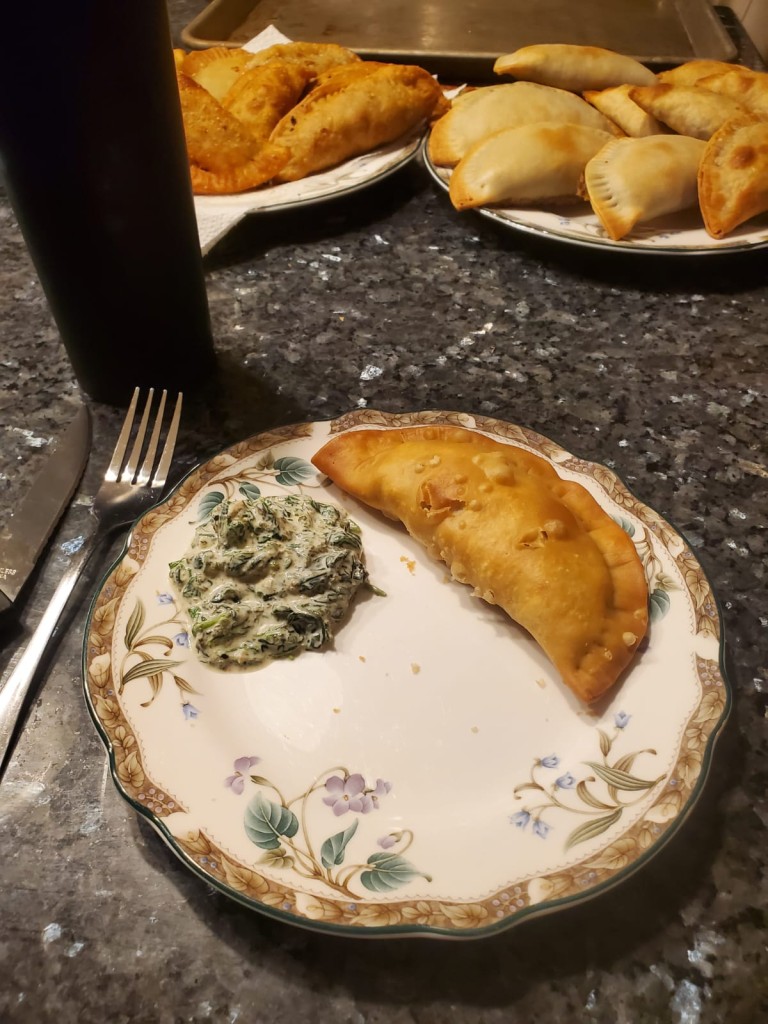 As I stumbled through their recipes, many of which were inspired by their childhoods, I wondered what it was like to grow up in a culture where the hours spent in the kitchen were a big part of what connected families. Over years, the dishes create a sort of living memory as people participate in creating them, and then gather to eat around the dishes. Similar to other U.S. Americans, my family meals growing up were often meant to be quick and easy causing there to be fewer moments for connection built into making the food. For the dishes I made in this adventure, I was honored to participate in the chefs’ memories when I cooked and in their dreams when I shared what I had made with others over the next couple of days.
My parents were the first to get a taste. As I wrote in the last post, our lack of bread did not stop my mother from plopping a giant chunk of borani esfenaj, the Iranian spinach dip, into her mouth with the tiniest piece of cracker. There was so much mint. Unfortunately, she had a hard time with that strong of a flavor, so the initial spinach dip to tiny cheeze-it-like cracker ratio was not preferred.
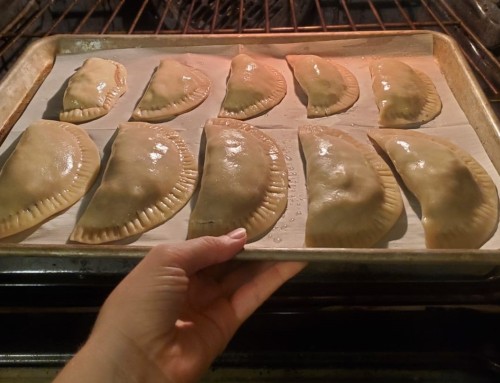
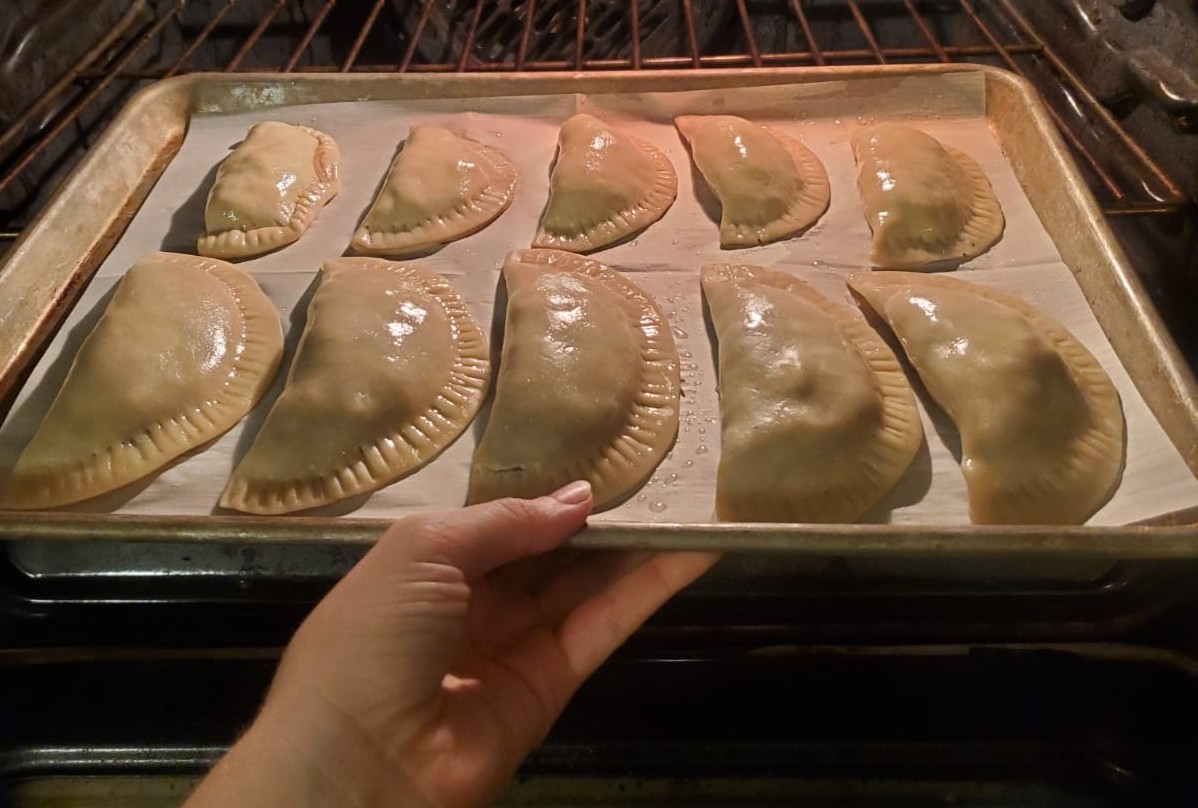
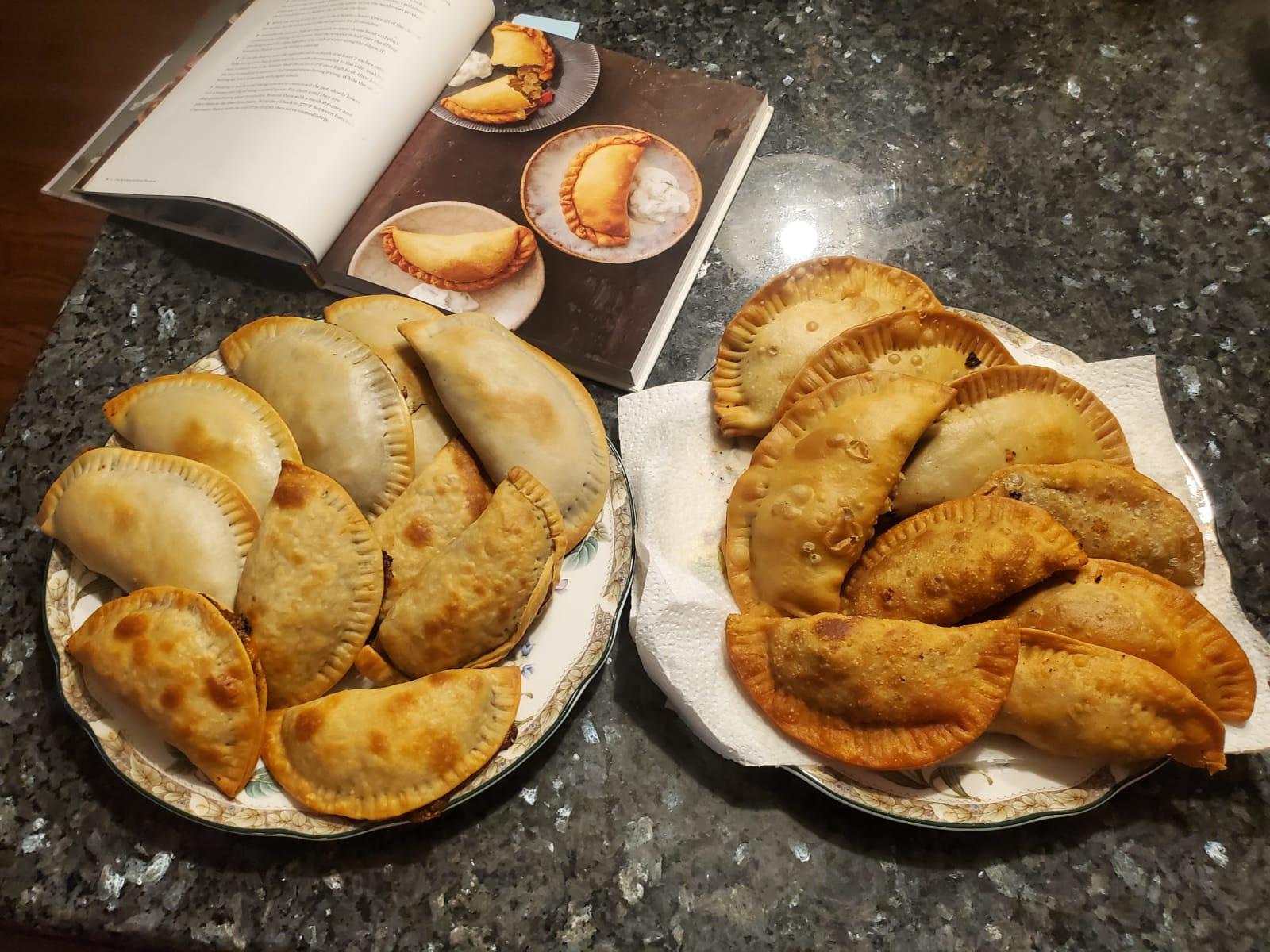
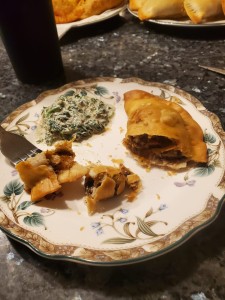 In the morning, my family sat down to the taste test for breakfast. Though my dad’s favorite cheese was not very noticeable by flavor due to the spices, he said the fatayers were still very good as he reached for his second and third. Mom agreed and combined a little of the fatayer’s crust with the borani esfenaj to enjoy the dip better.
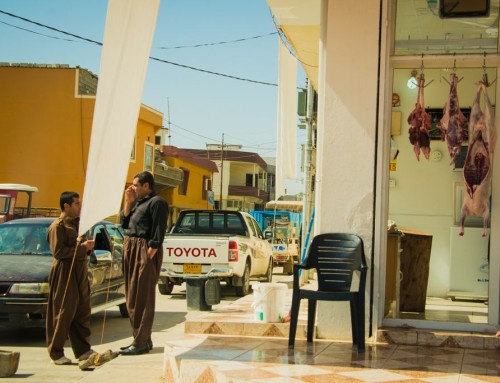
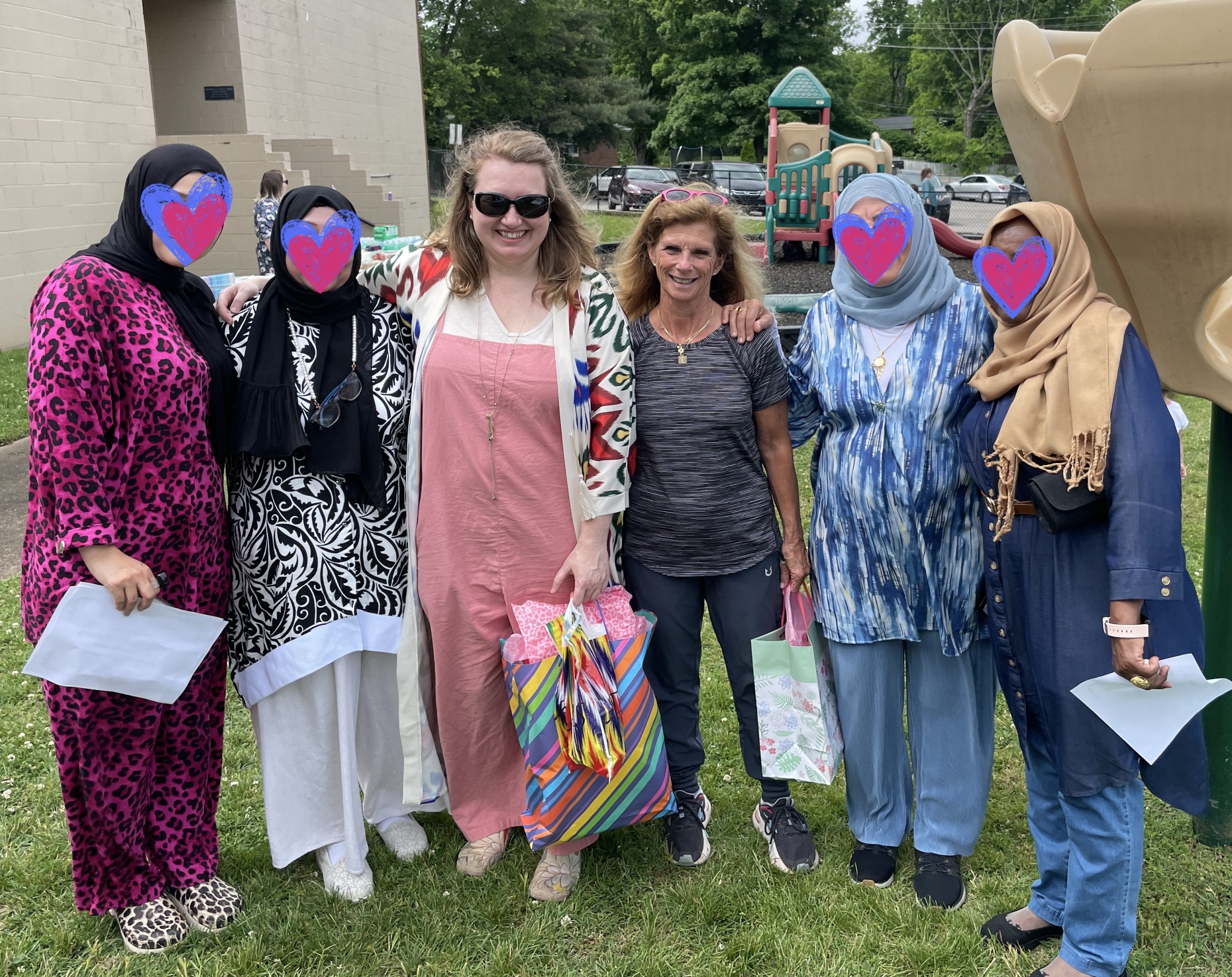
That same day, the dishes were shared at a picnic, which is a very Middle Eastern thing to do. Many enjoyed it and those who were more familiar with Middle Eastern dishes agreed to their authenticity. Lastly, the remaining the fatayers were shared with a few in the office. By then, I had finally got bread, and with it, the borani esfenaj was amazing. I still think about making it again.
With all the food gone, this taste bud adventure comes to an end. But, (I hope) it is just the beginning of yours! All sorts of recipes online are waiting to be attempted. Even if you prefer not to cook, you can invite friends to try an international restaurant together (one recommendation for a Middle Eastern restaurant in Nashville is Edessa). Maybe you could even have a picnic, which is a very Kurdish thing to do. Whatever adventure you decide on, we would be happy to hear about it via email or tag us in social media!