
Ok. So there are way more than three things to unlearn when working cross-culturally, but who would read a post called 537 things to unlearn? That’s overwhelming. And that is part of the issue when working cross-culturally, there’s a lot to learn, unlearn, and relearn. But here’s three big ones!
1. The idea that no means no and yes means yes
First, this doesn’t mean that you can do whatever you want to people. And there are not any changes in terms of consent for what you do to or with people. But for us, working largely with Middle Eastern communities we had to learn that no and yes are squishy terms in certain circumstances.
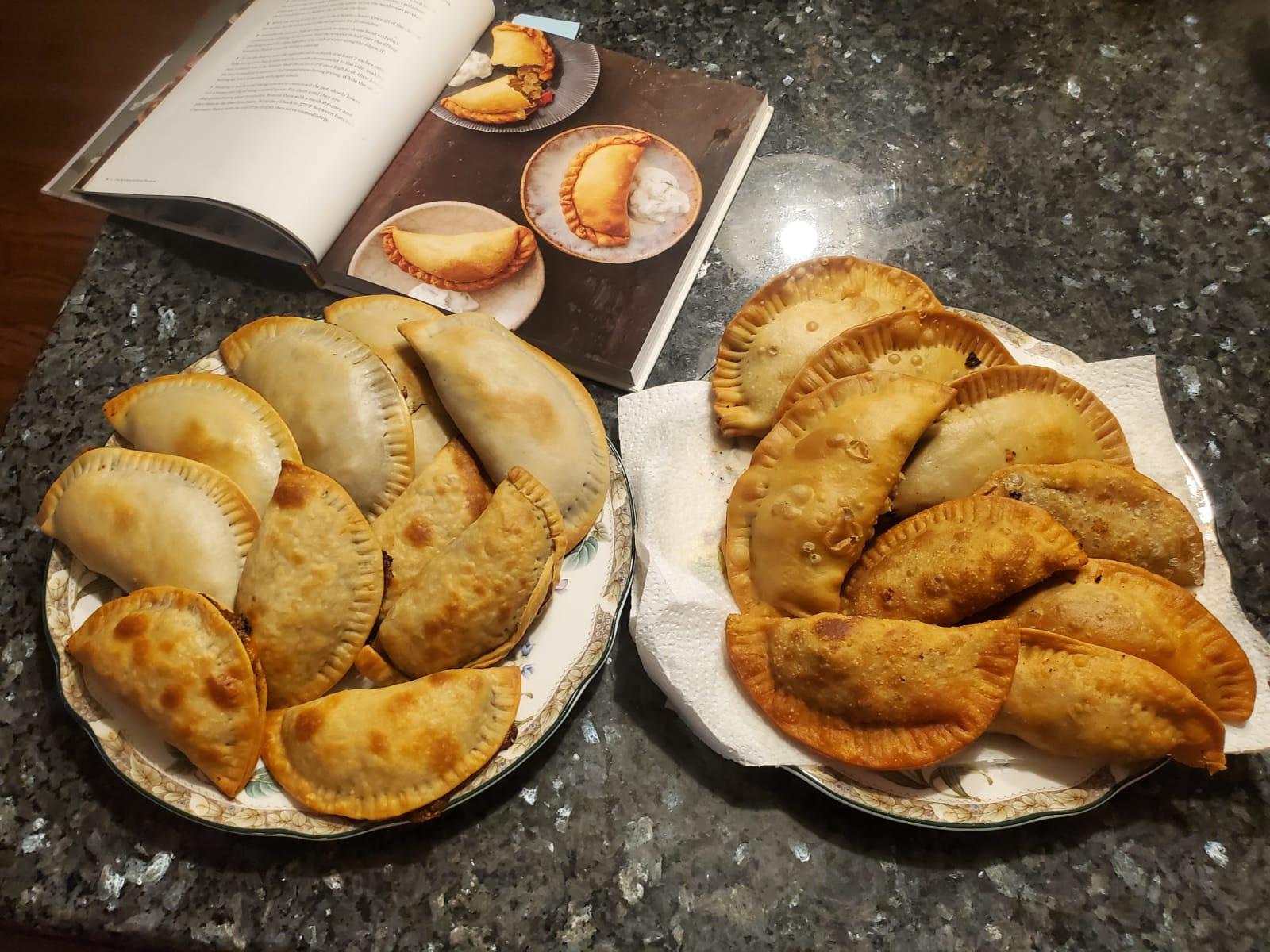
For example, when offered food or drink, most often our Kurdish friends will say no. They don’t mean no, they don’t want it. They mean that they are being polite and don’t want to put you to any extra trouble. You are expected to ask if they want the offering at least a couple more times to show you really mean what you are offering. If you took their first “No” as direct, then they would think you didn’t really mean your offer or that you were rude for not offering again. The back and forth of offer and refusal is a politeness ritual that shows both parties care for each other and really mean what they are saying.
It can go the other way too. Someone in a conversation can say “yes” or nod their head. And they don’t necessarily mean that they agree with you or will do what you have asked. It might mean they heard you, but don’t want to contradict you openly. Or it might mean they know you spoke to them but they didn’t understand you and are trying to save face that they had no idea what you just asked them.
So be careful in cultures that communicate more indirectly to make sure you are understanding the layers of the interaction and what all could be implicated by a no or a yes.
2. Judging time and punctuality by your own expectations and cultural standards
In the United States we show we value people by paying attention to the time—how long we’ve kept someone in a conversation, how long we keep someone waiting for us as a meeting point.
But for a lot of our Middle Eastern and Muslim friends, they show they value people by NOT paying attention to the time. When you are with someone, time doesn’t exist and you are 100% focused on that person and BEING with them. So if that makes you late for the appointment with next friend, that’s okay. Of course you were with them. And once you do meet up with your friend (who probably is also late) you understand that the same time-is-irrelevant focus is going to be given to this interaction.
Both methods are freeing and constraining, just in different ways.
3. The need to be the expert
People from the United States have a lot of confidence. We always think we know the most or the best. Especially when we go over in any sort of teaching or authority capacity, we are going with some knowledge or skill to offer. And that’s a good thing. But this doesn’t mean that we know what’s going on all the time or that we understand what’s behind every decision or expectation.
This is why we tell our team members to go in first as learners. No one is going to arrive in Iraq or Kazakhstan with all the answers. Before you tell someone the “right” way to do something, take a step back and ask questions like, “How did you decide to do it that way?” or “Is there a reason that girls are not allowed to have long nails at school?”
What might seem like an overly restrictive decision may be based in cultural realities you just aren’t aware of. So instead of gathering the high school girls to fight the dress code, you might learn that in a culture where washing after toileting is done with the hand instead of toilet paper, long nails can be a health hazard and can cause disease to spread quickly. And some of those diseases you may never have heard of.
This means that you shouldn’t jump into every debate but instead should wait and watch to understand the reasoning behind what is going on before you assume you understand and know what is going on.
Honestly, this is good practice for life even inside our own cultures. We can often assume we understand things that we don’t. And as followers of Jesus we are called to be humble, and not lean on our own understanding.
Join us in Iraq or Kazakhstan if you want to teach abroad, or if you want to volunteer locally you can check out our Nashville page!